

path of wholesomeness : ค้นหาหนังสือธรรมะ หน้า 6 / 31
หน้าหนังสือทั้งหมด
77
Pursuing Perfections Until You Prevail
111. PURSUING PERFECTIONS UNTIL YOU PREVAIL
Addressing a group of Upasaka (male temple attendants) getting ready to be ordained:
When you have decided to enter the temple in order to pursue Perfecti
In a talk directed at male temple attendants preparing for ordination, the importance of unwavering commitment to the pursuit of Perfections is emphasized. The speaker stresses the need to avoid distr
85
Conquer Mara with Goodness
127. CONQUER MARA WITH GOODNESS
Throughout my life I have done nothing but good deeds. I will keep doing so
to further the purity of my body, speech and mind. This goodness will help
me overcome the i
The text discusses the importance of maintaining purity in body, speech, and mind to overcome the negative influence of Mara. The author emphasizes making resolutions to stay on the path of goodness,
63
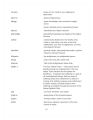
Concepts of Enlightenment in Buddhism
อายามูชุ cause of ruin; roads to ruin; gateway to destruction
อัย Tant giving of forgiveness
อั ญ ญา super-knowledge; ultra-conscious insight; divine
อิ ธรรม power; spiritual power; supranatural
บทเรียนสำคัญเกี่ยวกับแนวคิดในพระพุทธศาสนา ได้แก่ อายามูชุ (ภาวะสูญเสีย), อรหันต์ (บุคคลผู้มีคุณธรรม), อริยสัจ ๔ (ความจริงอันสูงสุด ๔ ประการ) ซึ่งเป็นรากฐานในการตีความศาสนา พระพุทธเจ้าทรงค้นพบความจริงเ
16
The Downfall of a Millionaire's Son
Here is the text extracted from the image:
Thereupon, taking his wife with him, he found lodging near the house-wall of other people’s houses. With a broken potsherd in his hand, he would go about be
This narrative explores the life of Great-wealth, a treasurer's son who wasted all his possessions and ended up begging for food. The Teacher explains to Ānanda how Great-wealth could have achieved gr
8
The True Nature of the Buddha's Enlightenment
the Buddha’s enlightenment dealt entirely with meditation focussed outside the body. Then, as now, almost all success was attributed to ideas and strategies — but as a result of countless past lifetim
Siddhattha Gotama's enlightenment was rooted in meditation that transcended mere conceptualization. He recognized that achieving true liberation demanded a harmonious blend of theory and inner virtue.

30
The Middle Way: Balancing Sensual Indulgence and Self-Mortification
the harmfulness of the extremes of sensual indulgence and self-mortification, and advocated the following of the Middle Way or Noble Eightfold Path, the ‘group of five’, especially Keṇḍāṇa who was mos
This text discusses the risks associated with extreme sensual indulgence and self-mortification, underscoring the importance of following the Middle Way or Noble Eightfold Path. It highlights Keṇḍāṇa,
54
Understanding the Origin of Suffering in Buddhism
2.2 The Origin of Suffering as a Cause
In explaining the Origin of Suffering, the Buddha intended to make clear that the suffering experienced by living beings has craving as its cause. As soon as the
In this examination of the Buddha's teachings, the Origin of Suffering is explained as being rooted in craving, which leads to a cycle of suffering. The relationship between the Origin of Suffering an
59
Understanding the Noble Truths of Suffering
by reflecting on Suffering's meaning at 2, 3 and 4 in that
order. As for the the meaning at 2, even though it is con-
cerned with the Noble Truth of Suffering, it has implications
reaching to the Orig
The text reflects on the meanings of Suffering within Buddhism, particularly its Noble Truths. It discusses how the meanings related to Suffering connect with the Origin, Cessation, and the Noble Eigh
76
Understanding the Aggregates of Clinging in Buddhism
attachment and can therefore lead to suffering. The reason that attachment to the Five Aggregates causes suffering is that they belong to the mundane world [lokiya] and are therefore referred to as ‘A
The Aggregates of Clinging plays a pivotal role in Buddhist teachings on suffering, highlighting how attachment to the Five Aggregates leads to various forms of suffering. While individuals reaching t
95
The Noble Truth of the Cessation of Suffering
The Noble Truth of the Cessation of Suffering
When the Lord Buddha had finished his explanation of the origin of suffering, he continued with an explanation of the cessation of suffering. The essence
This text explains the Buddha's teaching on the cessation of suffering, emphasizing the importance of extinguishing craving through the Noble Eightfold Path. It highlights that addressing the root of
102
Overcoming Craving through the Noble Eightfold Path
[phottabhba-vitaka] and thought-conception concerning of the mental objects [dhamma-vitaka].
Moreover, the discursive thought [vicāra] concerning our sensual objects arising from the aforementioned se
This text explores how discursive thoughts about sensory objects lead to attachment and suffering. Each of the six senses contributes to craving, necessitating practitioners to overcome these attachme
103
The Noble Eightfold Path and Buddhist Sainthood
fold Path diligently to the extent they are prepared to lay down their life for their practice, have the chance to uproot craving from the mind by transcendental extinction — by attaining the various
This text discusses the profound dedication of practitioners of the Noble Eightfold Path, illustrating how some are willing to sacrifice their lives for their spiritual journey. It highlights notable
107
परम ध्यान और आत्मा का केंद्र
(sleeps).
Luang Phaw Wat Paknam explained that the ability to bring our mind to a standstill at this centre of the body is what we call ‘majjhima’ or ‘centering’. When the mind comes to a standstill
लुआंग फॉ वट पाकनम ने समझाया कि शरीर के केंद्र पर ध्यान लाने की क्षमता को 'मध्यम' कहा जाता है। यह वह बिंदु है जहाँ मन सद्भाव में आता है, और इसे अच्छे या बुरे के संदर्भ में नहीं रखा जा सकता है। इसके द्व
117
The Noble Truth of the Cessation of Suffering
The Noble Truth of the Cessation of Suffering: A Conclusion
The Lord Buddha taught that the cessation of suffering can
be effected by extinguishing all craving through the prac-
tice of the Noble Eigh
The conclusion on the cessation of suffering according to the Buddha highlights the need to extinguish craving through the Noble Eightfold Path. Once craving is eliminated, suffering cannot return. Ou
178
The Three Cycles of Examination in Buddhism
The Three Cycles of Examination comprise:
1. Saccānāna: Knowledge of the existence of each Noble Truth over which the Lord Buddha had unequaled personal knowledge and which he could teach to others wi
The Three Cycles of Examination define knowledge concerning the Noble Truths which the Lord Buddha taught. Saccānāna pertains to the knowledge of each truth’s existence; Kiccanānā addresses the necess
199
The Buddha's Teachings on Reality and the Middle Way
the Buddha didn’t explain what the device was by which they could see and know according to reality, they could follow the gist of what he was explaining.
2.3 Benefits of Seeing and Knowing according
This text delves into the teachings of the Buddha regarding the benefits of seeing and knowing according to reality. Although he did not explicitly define the device for achieving this understanding,
201
The Noble Truths of Suffering and Cessation
3.3 Dukkhanirodha Aryasacca: The Noble Truth of the Cessation of Suffering—the sickness of suffering which plagues us all has a cure;
3.4 Dukkanirodhagāminī Paṭipadā Aryasacca: The Noble Truth of the
The Noble Truths articulate the nature of suffering and its cessation. Dukkha encompasses various types of suffering including birth, aging, and death, as well as emotional pains like sorrow and disap
206
Knowledge of the Path to Cessation of Suffering
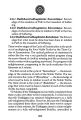
3.8.1 Dukkhanirodhagāminī Saccāṇa: Knowledge of the existence of Path to the Cessation of Suffering.
3.8.2 Dukkhanirodhagāminī Kiccaṇāṇa: Knowledge of what must be done in relation to Path to the Ces
This text discusses the twelve stages of the Cycle of Examination derived from the Four Noble Truths and their relation to enlightenment. It elaborates on the three circuits: knowledge of existence, k
226
Understanding Key Buddhist Concepts
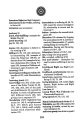
Inention, Right (see Right Intention)
internment in the womb, suffering
irritation (see annoyance)
jealousy 50
jewel, wish-fulfilling - metaphor for Middle Way 39
jewel-knowing 110
joy 38, 123, 130
ka
This text delves into central Buddhist themes such as the nature of suffering, the importance of right intention, and the concept of liberation. Key metaphors like the jewel of knowledge and the lion
240
Understanding the Noble Truths and Suffering
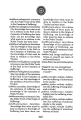
dukkhanirodhagāminī ariyasacca knowledge that what must be done in relation to the Noble Truths has been done (see the Noble Truth of the Path to the Cessation of Suffering)
dukkhanirodhagāminī kat
บทความนี้สำรวจและอธิบายเกี่ยวกับความจริงอันสูงส่งเกี่ยวกับความทุกข์และเส้นทางในการบรรเทาความทุกข์ตามหลักธรรมของพุทธศาสนา เนื้อหาครอบคลุมถึงความรู้ในด้านต่างๆ ที่เกี่ยวข้องกับแนวทางการดับทุกข์ รวมถึงปร